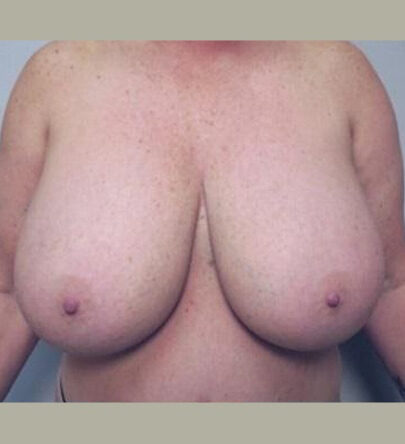
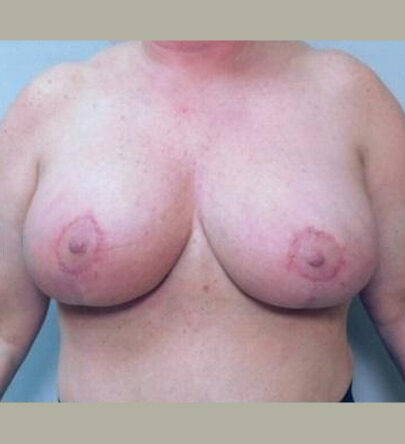
Breast Reduction

Home/Surgical Procedures/Breast/Breast Reduction

Length of Treatment: 1-3 hours
Anesthesia: IV Sedation
Inpatient/Outpatient: In most cases, outpatient
Potential Side Effects/Risks: Temporary numbness, discomfort, swelling, bruising, dry skin.
Principal Benefits: Dramatically smaller breasts; improved proportion and symmetry; reduction of physical and mental issues associated with overly large breasts

What Is a Breast Reduction?

Although it is extremely popular among our patients, breast augmentation isn’t for everyone. In fact, we see many women who instead want their breasts made smaller. Naturally occurring breasts that are too large can cause a myriad of problems, from excessive neck and back problems, to discomfort when exercising, and even strap indentations on the shoulders. Our Baltimore plastic surgeon can use breast reduction to reduce the size of the breasts, making them more proportionate to the body and more comfortable for the patient. Reducing the size of the breasts is accomplished by reducing the breast skin, fat, and actual breast tissue as well. The nipple and areola are also lifted to a higher position.

What Are the Benefits of Breast Reduction?

Women choose to undergo breast reduction for personal reasons that can vary greatly from patient to patient. In general, the procedure can offer several advantages, including:

  • Smaller breast size from reduced volume
  • More proportionate silhouette
  • Enhanced symmetry between the breasts
  • Reduced pain or discomfort caused by heavy breasts
  • Ability to exercise with greater ease
  • Improved fit of clothing

Many of Dr. Houssock’s patients experience a boost of confidence after breast reduction surgery. They may also feel less self-conscious in certain social situations.

Who Is a Candidate for Breast Reduction?

Women who seek breast reduction have breasts that are overly large, leading to inconvenience, discomfort, or pain. Candidates for breast reduction commonly report difficulties that impact their daily lives, including:

  • Chronic pain located at the shoulders, back, and/or neck
  • Skin irritation or rashes along the breast creases
  • Deep grooves in the shoulders or back where the bra straps are situated
  • Limited engagement in physical activity due to discomfort or pain

Some patients experience such severe effects from overly large breasts that they have sought out physical therapy to alleviate their symptoms. With a breast reduction, candidates can significantly improve the quality of their daily life. The best way to determine if you are a good candidate for breast reduction is to schedule a consultation with a skilled plastic surgeon.

Breast Reduction vs. Lift

Although breast reduction and breast lift surgery can both reshape and elevate the breasts, they’re technically designed to address different concerns. A breast reduction primarily focuses on decreasing breast size by removing excess tissue, fat, and skin. A breast lift (mastopexy), on the other hand, is intended to improve breast position and contour without significantly reducing overall volume. This procedure is often recommended for women whose primary concern is sagging rather than heaviness or physical symptoms.

It’s important to note that a breast reduction naturally includes a lifting component. As excess tissue is removed and the breasts are reshaped, the nipple and areola are repositioned to a higher, more youthful location. During your consultation, Dr. Houssock will evaluate your anatomy and concerns to determine whether breast reduction alone or another surgical approach may best achieve your goals.

Complementary Procedures to Breast Reduction

Many breast reduction patients choose to enhance their results by combining the surgery with other cosmetic procedures. For example, breast lift surgery is often paired with breast reduction to produce a more “lifted,” youthful effect to the bustline. Alternatively (or additionally), liposuction may be incorporated to refine adjacent areas for a smoother overall silhouette. In certain cases, women who have experienced pregnancy or significant weight changes may elect to pair breast reduction with procedures such as tummy tuck, arm lift, or body lift surgery.

Every surgical plan is personalized to the individual. Dr. Houssock will carefully assess your concerns and goals to determine whether combining procedures may help you achieve the best outcome.

bna-sample
bna-sample

“It was a very thorough consultation. Dr. Houssock and her assistant were so genuine and made me feel so comfortable in a slightly uncomfortable situation.”
Anonymous

What Happens During Breast Reduction Surgery?

During breast reduction, unnecessary fat, tissue, and skin are carefully removed to create a smaller breast size. The breasts are also lifted into a more flattering position. There are three main types of breast reduction techniques that can be used, depending upon the needs and goals of the patient.

  • Wise Pattern Technique: For a full breast reduction, the wise pattern technique is used most frequently. Dr. Houssock will make an incision around the areola as well as a vertical incision from the areola to the lower pole of the breast that will continue along the breast crease. Once complete, the shape of the incision can look like an upside down T, which is why this incision is occasionally referred to as the “anchor” technique. A wise pattern breast reduction can achieve the most dramatic transformation for women with oversized breasts.
  • Vertical Technique: A vertical breast reduction is ideal for women who have a moderate amount of excess glandular breast tissue but minimal excess skin. With this breast surgery technique, Dr. Houssock will make an incision around the areola that extends downward toward the lower pole of the breast. This incision is sometimes referred to as the “lollipop” technique. In many cases, the recovery period from a vertical breast reduction is shorter than procedures performed with the wise pattern technique.
  • Breast Reduction Using Liposuction: We are pleased to offer an alternative and new type of breast reduction surgery that involves breast liposuction alone. This procedure, which is less invasive than traditional breast reduction surgery, allows for excellent volume reduction of the breast and, to a modest degree, a lifting of the breast, as well. The technique of breast reduction through liposuction results in a shorter recovery time and very minimal scarring.

At the initial consultation, Dr. Houssock will design a custom surgical plan using one of the above techniques that can best achieve your expectations.

View our full patient results photo gallery

What Is Recovery from Breast Reduction Like?

As with any major surgery, patients can expect mild soreness, swelling, and bruising after breast reduction. These side effects should dissipate quickly, and any discomfort can be managed with oral pain medication. Breast reduction patients typically return to their normal daily activities within one week. Heavy lifting and strenuous exercise should be avoided for about four weeks. At that time, the majority of post-operative swelling should have resolved and patients can begin to enjoy the results of their procedure.

How Long Do Breast Reduction Results Last?

In the hands of a skilled plastic surgeon, breast reduction surgery can provide long-lasting improvement in both comfort and appearance. With this in mind, the breasts can still change over time due to factors such as aging, hormones, pregnancy, and significant weight fluctuations. Maintaining a stable weight and healthy lifestyle through a well-balanced diet and steady exercise routine can preserve your results for many years.

What Do Breast Reduction Scars Look Like?

The appearance of your scars following breast reduction will depend largely upon the technique your plastic surgeon uses to accomplish the procedure. The incision pattern may leave scar tissue surrounding the nipple, vertically down the lower pole of the breast, and/or along the breast crease, unless your procedure is performed solely with liposuction techniques, which leave only very tiny scars. Regardless of the technique used, Dr. Houssock uses her surgical skill and experience in breast reduction to keep incisions as hidden/concealed as possible to minimize visible scar tissue. The prominence of your scars can also be attributed to the quality of your post-operative wound care and the unique way in which your skin heals. Though your scars may appear reddish and raised in the early phase of healing, most scar tissue flattens and fades considerably after it matures, with significant improvements in appearance seen within a year following surgery for most patients. When you visit the practice for your consultation or other appointments, you can request to view before-and-after photos of Dr. Houssock’s patients to see examples of breast reduction surgical scars.

How Does Breast Reduction Affect Breastfeeding?

The vast majority of women who undergo breast reduction surgery retain the ability to breastfeed (if they were previously able to breastfeed before their procedure). If you plan to have children after breast reduction, this is a good point to mention during your consultation with Dr. Houssock, so that your procedure can be planned accordingly and be performed with the utmost care to your mammary tissue and milk ducts.

How Much Does Breast Reduction Cost?

At our Baltimore practice, the average cost of breast reduction surgery is $12,500 to $13,500. That said, because this procedure is highly customized, an exact fee can only be determined after a comprehensive consultation with Dr. Houssock.

Several elements can influence the overall investment, such as:

  • The extent of tissue removal required
  • The surgical technique(s) utilized
  • Whether liposuction, breast lift surgery, or other procedures are incorporated into your care
  • The anticipated complexity and duration of surgery

In certain cases, breast reduction may qualify for insurance coverage if it’s deemed medically necessary. Our experienced team can help guide you through the process of determining eligibility and submitting required documentation if you plan to pursue insurance reimbursement.

For patients paying out of pocket, we provide detailed pricing information after your consultation so you have a clear understanding of all associated fees. Our knowledgeable staff is available to discuss payment methods and plastic surgery financing solutions offered through reputable third-party lending partners. These programs often feature convenient monthly payment plans for qualified applicants.

Additional Breast Reduction FAQs

Will my insurance cover breast reduction?

It is possible that your medical insurance plan may cover all or a portion of your breast reduction surgery, if the procedure is considered medically necessary. Our plastic surgeon and office team are very familiar with the steps required by medical insurance companies for this type of surgery and can help walk you through the process. Please see our breast reduction cost section above for greater detail on this topic.

Does a breast reduction also provide a breast lift?

The breast reduction procedure not only reduces the weight and size of the breasts, but also lifts and reshapes the breasts to achieve a more elevated position and symmetrical appearance. During a consultation, your plastic surgeon can explain both the physical and aesthetic benefits that a custom breast reduction can provide.

How painful is breast reduction?

The breast reduction surgery is performed under IV sedation to prevent the potential for pain during surgery, and medication is prescribed to relieve post-operative discomfort. The majority of patients find the post-operative period to be manageable and, within about two weeks, swelling and discomfort are typically dramatically reduced. Prior to breast reduction, many patients experience considerable pain due to their large heavy breasts and, though the recovery period poses certain challenges, the surgery brings them swift relief for the chronic back, shoulder, and neck discomfort they have experienced for many years.

How can I reduce swelling after breast reduction?

In addition to sleeping in an elevated position on your back and applying cool compresses to the breasts, Dr. Houssock also instructs patients to limit sodium intake, wear a supportive surgical bra, drink plenty of water, take anti-inflammatory medication as prescribed, and eat nutritious foods following breast reduction to control swelling.

If you would like to learn more about breast reduction, please contact our office to schedule your consultation.